
Pump Curves Explained
Pump Curves Explained
A pump curve is one of the most important tools used to select, size, and troubleshoot a pump. It shows how a pump will perform under different operating conditions, helping contractors, engineers, and facility managers choose the right pump for a system.
What Is a Pump Curve?
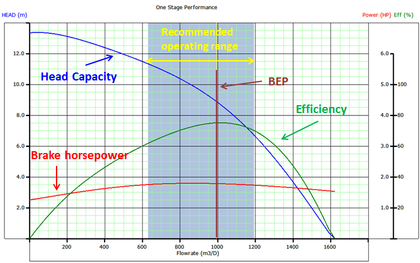
A pump curve is a chart provided by the pump manufacturer that shows the relationship between flow rate and head pressure. In simple terms, it tells you how much fluid a pump can move and how much resistance it can overcome.
The curve helps answer questions such as:
- How many gallons per minute can this pump move?
- How much pressure or head can the pump produce?
- Is the pump operating efficiently?
- Is the pump properly sized for the system?
Key Terms on a Pump Curve
Flow Rate
Flow rate is the amount of liquid the pump moves over time. It is commonly measured in gallons per minute, or GPM. On most pump curves, flow rate is shown along the bottom horizontal axis.
Head
Head refers to the amount of energy the pump adds to the fluid. It is usually measured in feet of head. On a pump curve, head is shown on the vertical axis.
The higher the head, the more resistance the pump must overcome. This resistance can come from pipe length, fittings, valves, elevation changes, coils, heat exchangers, and other system components.
Efficiency
Efficiency shows how effectively the pump converts energy into useful pumping work. Higher efficiency means lower energy waste and better long-term operating cost.
Best Efficiency Point
The Best Efficiency Point, often called BEP, is the point where the pump operates most efficiently. A pump should generally operate as close to this point as practical.
Horsepower
Pump curves may also show horsepower requirements. This helps confirm that the selected motor is properly sized for the application.
NPSH
NPSH stands for Net Positive Suction Head. It helps determine whether the pump has enough pressure at the suction side to avoid cavitation. Cavitation can damage the impeller, reduce performance, and shorten pump life.
How to Read a Pump Curve
To read a pump curve, start with the required flow rate for the system. Find that number on the bottom axis of the chart. Then move upward until you reach the pump curve. From that point, move left to see the head the pump can produce at that flow.
For example, if a system requires 100 GPM at 50 feet of head, you would look for the point where 100 GPM and 50 feet of head meet. If that point falls on or near the pump curve, the pump may be a suitable option.
Why Pump Curves Matter
Pump curves help prevent costly sizing mistakes. A pump that is too small may not deliver enough flow. A pump that is too large may waste energy, create noise, cause premature wear, or lead to control problems.
Proper pump selection can improve:
- System performance
- Energy efficiency
- Equipment life
- Reliability
- Comfort and temperature control
- Maintenance costs
Common Pump Curve Mistakes
Selecting a Pump Based Only on Pipe Size
Pipe size alone does not determine the correct pump. The system’s required flow and head must be calculated before selecting a pump.
Ignoring System Resistance
Every hydronic system has resistance. Fittings, valves, coils, strainers, heat exchangers, and long pipe runs all add pressure drop. This must be considered when reading a pump curve.
Choosing a Pump Too Far From Its Best Efficiency Point
A pump operating far from its best efficiency point may experience vibration, noise, heat buildup, and reduced service life.
Oversizing the Pump
Bigger is not always better. Oversized pumps can increase energy costs and may create excessive flow, noise, and wear throughout the system.
Pump Curves and Hydronic Systems
In hydronic heating and cooling systems, pump curves are especially important. Circulating pumps must move water through boilers, chillers, coils, air handlers, radiant systems, and heat exchangers.
If the pump does not match the system curve, the system may struggle to maintain proper temperature, flow balance, or efficiency.
Variable Speed Pumps and Pump Curves
Variable speed pumps can operate across a range of curves instead of one fixed curve. This allows the pump to adjust speed based on system demand.
Benefits of variable speed pumping can include:
- Lower energy use
- Improved comfort control
- Reduced noise
- Better part-load performance
- Longer equipment life
When to Ask for Help
Pump curves can be confusing, especially when comparing multiple pump models or replacing an older unit. If you are unsure which pump is right for your system, it is best to work with a knowledgeable pump supplier.
The right supplier can help review your flow rate, head requirements, existing pump model, system type, and replacement options.
Conclusion
Understanding pump curves is essential for selecting the right pump and keeping a system operating efficiently. A pump curve shows how a pump performs at different flow and head conditions, making it a valuable tool for contractors, engineers, and maintenance teams.
Whether you are replacing an existing pump, designing a new system, or troubleshooting performance issues, reading the pump curve correctly can help avoid costly mistakes and improve long-term reliability.
```
Recent Posts
-
Hydronic Pump Selection Guide
Hydronic Pump Selection Guide Choosing the right hydronic pump is essential for proper system perfor …May 23, 2026 -
Pump Curves Explained
Pump Curves Explained A pump curve is one of the most important tools used to select, size, and trou …May 23, 2026 -
Inline vs End Suction Pumps: What the Difference?
Choosing the right pump for an HVAC, hydronic, or commercial water system is critical for system per …May 21, 2026
